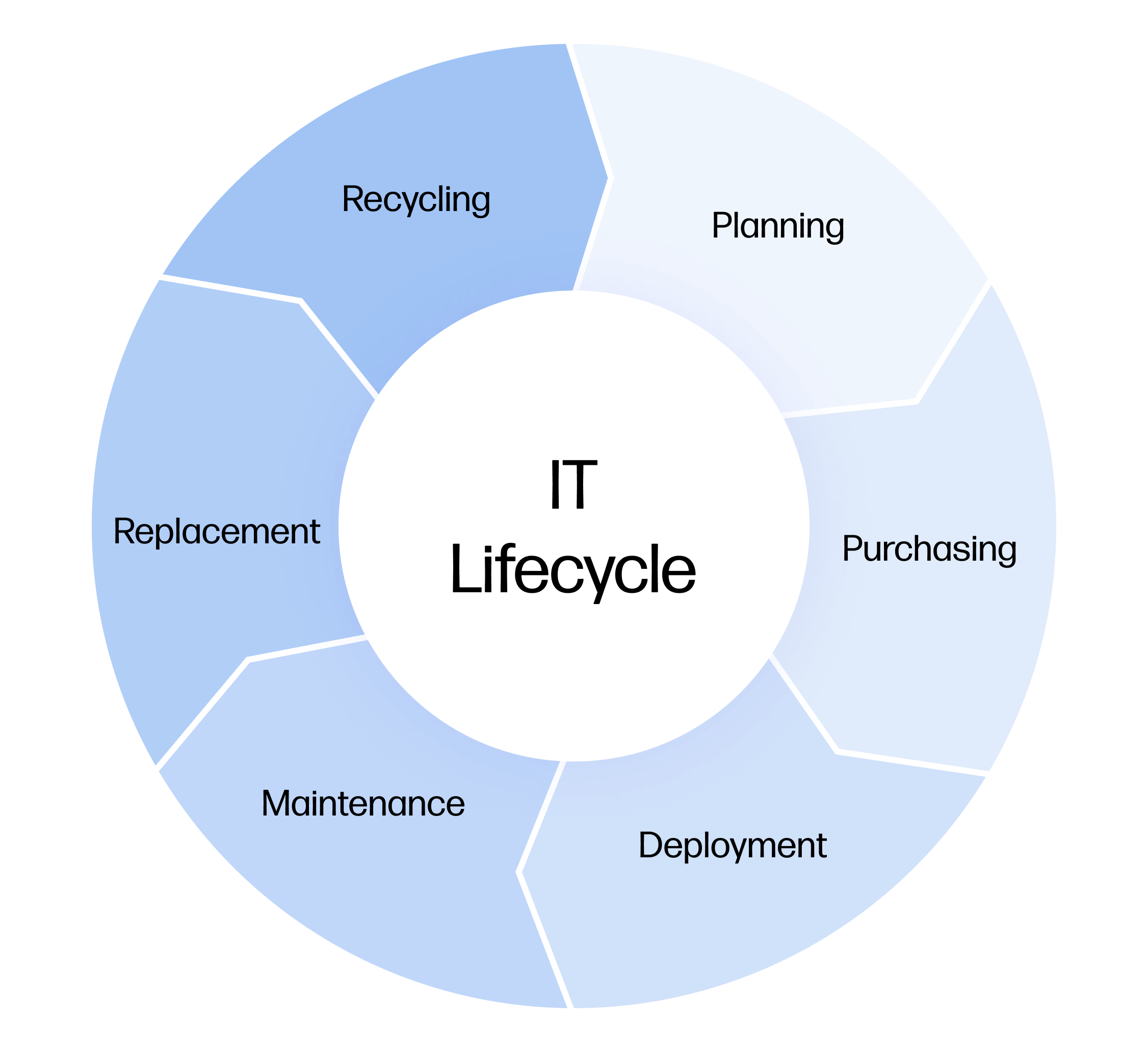

Corporate IT asset management extends far beyond procurement and deployment. As organizations upgrade systems to meet performance, security, and scalability demands, desktops regularly exit active use while still retaining operational value. Managing this transition responsibly requires structured processes, financial oversight, and compliance controls. Desktop buyers play a defined and strategic role in this lifecycle stage. When aligned with IT governance frameworks, a top normal desktop buyer in bulk enables organizations to maintain asset visibility, recover value, and reduce operational risk.
Rather than treating retired desktops as operational leftovers, forward-thinking organizations view them as managed assets that require the same level of control as active infrastructure. Poorly planned exits can lead to data exposure, financial loss, and inefficiencies in asset tracking. In contrast, a structured engagement with professional desktop buyers introduces discipline into the retirement phase of the IT lifecycle. It allows organizations to close asset records accurately, ensure responsible handling, and convert surplus equipment into measurable business value.
Integration of Desktop Buyers into IT Asset Lifecycle Planning
Effective IT asset lifecycle planning requires structured coordination at the point where desktops transition out of active use.
- Alignment with refresh and replacement cycles: Desktop buyers coordinate asset exits with planned refresh schedules, ensuring the timely removal of systems once replacements are deployed. This prevents outdated desktops from occupying workspace or storage resources unnecessarily. The result is a controlled, predictable transition that supports long-term IT planning.
- Support for lifecycle transparency: Buyers document each transfer stage, creating a clear record from deployment through retirement. This visibility helps IT teams maintain accurate asset registers and audit trails. It also improves accountability across departments involved in asset management.
- Reduction of internal resource strain: External buyers manage the collection, handling, and processing of retired desktops. This reduces the workload on internal IT and facilities teams. IT departments can then redirect resources toward core infrastructure and innovation initiatives.
By embedding desktop buyers into lifecycle planning, organizations maintain control, transparency, and efficiency throughout asset retirement.
Financial Optimization Through Structured Asset Exit
Financial discipline in IT asset management depends on how systematically retired desktops are evaluated and transitioned.
- Consistent and defensible valuation models: Professional desktop buyers apply uniform evaluation criteria based on technical specifications, condition, and usability. This structured approach ensures pricing consistency across large asset volumes. It also enables organizations to justify asset valuations during audits and financial reviews.
- Recovery of residual asset value: Desktops continue to hold financial value even after accounting for depreciation. Working with desktop buyers helps convert surplus systems into tangible returns. This transforms idle hardware from a cost center into a recoverable asset.
- Improved IT budgeting discipline: Funds recovered from desktop sales can be redirected toward new technology investments. This supports more accurate budgeting and long-term infrastructure planning. IT leaders gain greater financial control over refresh and upgrade cycles.
A structured asset exit model transforms surplus desktops into a measurable financial contributor rather than an unmanaged cost.
Data Protection and Compliance Assurance
Data security remains a critical concern when desktops move beyond active operational environments.
- Certified data sanitization practices: Desktop buyers follow verified data wiping or physical destruction standards for retired systems. This ensures all stored information is permanently removed before assets leave organizational control. Such practices protect sensitive business and customer data from unauthorized access.
- Documented compliance support: Buyers provide detailed documentation covering serial numbers, data erasure methods, and transfer timelines. These records support internal audits and regulatory compliance requirements. They also strengthen accountability across IT and compliance teams.
- Risk reduction across asset transitions: Structured asset handling minimizes gaps during desktop retirement and transfer. This controlled process reduces the likelihood of data breaches or compliance failures. Organizations benefit from lower operational and reputational risk.
Through verified controls and documentation, desktop buyers help organizations exit assets securely while meeting compliance obligations.
Operational Efficiency in High-Volume Desktop Transitions
Large-scale desktop retirements demand operational precision to avoid disruption across workplaces and teams.
- Scalable logistics management: Desktop buyers manage high-volume collections through structured logistics planning. This ensures large numbers of desktops are removed and processed efficiently. Daily business operations continue without unnecessary interruptions.
- Minimal disruption to workplaces: Planned pickup and removal schedules reduce interference with employee workflows. Desktops are retired in an organized manner that preserves workspace continuity. This approach maintains productivity during IT transitions.
- Standardized processes across multiple sites: Buyers implement consistent asset exit procedures across all locations. This ensures uniform handling, documentation, and reporting standards. Organizations benefit from predictable and controlled asset management outcomes.
Standardized and scalable processes ensure desktop transitions remain efficient, predictable, and business-friendly.
Sustainability and Responsible IT Asset Redistribution
Responsible desktop management plays a growing role in achieving corporate sustainability and environmental objectives.
- Extension of usable hardware life: Functional desktops are refurbished and prepared for continued use in secondary markets. This approach maximizes the productive lifespan of existing hardware. It also reduces the need for premature replacement and disposal.
- Reduction in electronic waste generation: Operational desktops are redirected away from landfill disposal streams. This supports environmental goals while lowering overall e-waste volumes. Organizations benefit from more responsible and cost-effective waste management.
- Support for corporate ESG initiatives: Partnering with a working normal desktop buyer in Dubai demonstrates responsible asset stewardship. Such practices contribute positively to sustainability and ESG reporting metrics. They also reinforce an organization’s commitment to environmental accountability.
By prioritizing reuse and responsible redistribution, organizations strengthen ESG performance while reducing environmental impact.
Final Thoughts
Top normal desktop buyers in bulk are no longer peripheral participants in IT operations; they are integral to effective corporate IT asset management. By supporting structured asset exits, ensuring compliance, and enabling financial recovery, they help organizations maintain control over the final stages of the IT lifecycle. A disciplined approach to desktop retirement enhances governance, reduces risk, and contributes to sustainability goals without disrupting operations.
For organizations seeking a reliable and structured pathway for managing surplus desktops, E-Waste IT Recycling offers solutions designed to align with corporate IT standards. Its approach supports responsible handling, regulatory compliance, and value-driven asset recovery. By combining secure processes with operational efficiency, E-Waste IT Recycling helps businesses manage desktop transitions confidently while maintaining governance, sustainability goals, and financial accountability across the IT asset lifecycle.