Resources like energy, water, materials, and food anchor community function. Responsible use preserves supply for future generations. Environmental crises and global consciousness urge adopting careful consumption habits in homes, institutions, and workplaces. Updated attitudes, infrastructure improvements and daily practices bring resource use into better balance across sectors. Embracing more sustainable practices is critical for safeguarding the planet’s health. Resource conservation efforts must be a societal priority moving forward.
Rethink Assumptions in Education
Educating youth enables generational impact adopting responsible behaviors as social norms. Curriculums emphasizing conservation and sustainability shape learner attitudes for life. Schools construct unique ecosystems for applied learning, integrating hands-on resource conservation on campus.
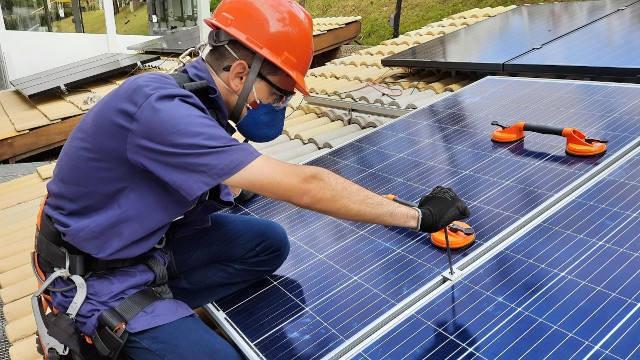
For example, student-maintained rain catchment systems supply water for gardens. Installing renewable energy solar panels links math lessons to energy savings that can be realized over time. Compost bins, fueled by cafeteria food scraps, create a closed-loop system that enriches the soil. The experts at Commonwealth say that embedding closed resource loops into campus function teaches eco-awareness through lived experience.
Adopt Green Building Standards in Healthcare
Healing spaces supporting public health increasingly minimize environmental harm. New medical complexes install advanced HVAC systems recycling exhaust air, saving heating/cooling energy. Hybrid solar water heaters supply patient rooms, reducing lifetime carbon emissions. Hypoallergenic interior finishes improve indoor air quality, avoiding off-gassing from harsh chemicals. High efficiency LED lighting cuts electricity use. Enhanced commissioning ensures all complex systems run at optimal efficiency as designed.
Green healthcare spaces promote public and environmental health together. Leadership institutions earn LEED sustainability certification by implementing responsible resource standards in facilities and practices.
Optimize Industrial and Manufacturing Processes
Production drives massive resource flows across sectors. Process optimization cuts usage and emissions at scale for global impact. Third-party audits help manufacturers benchmark environmental performance against industry averages, identifying efficiency gaps. Pinpointing waste reduction and reuse opportunities for high-volume inputs like metals, minerals, timber, fuels, and chemicals responsibly maximize output per unit resource.
For example, closed-loop water recycling feeds boilers, cooling, and cleaning repetitively. Smart metering tracks energy and water usage patterns, finding savings opportunities in production scheduling. Renewable energy systems generate uninterrupted power from wind, solar and ground sources, reducing grid dependence. Automation technology fine-tunes instrumentation precision, minimizing defects and quality control waste. Small changes all add up to major conservation gains.
Prioritize Impacts in Government Planning
Land management, utilities, and infrastructure shape how communities use resources daily. Zoning promoting compact density in downtowns minimizes sprawl supporting walkability, public transit access and multifamily housing affordability. Building codes advancing energy efficient standards in new construction raise conservation over time. Utilities diversifying power generation to renewable solar, wind and hydro energy sources accelerate decarbonization.
Governments hold unique responsibility as custodians of community health and development. Prioritizing sustainability factors when making urban plans or approving regional projects steers communities toward responsible growth for coming decades.
Change Behaviors through Conscious Consumption
Daily use choices by individuals collectively transform norms. Using reusable bags, forgoing single-use plastics, recycling properly at home, and thoughtfully reducing consumption of new goods protects ecosystems supporting life. Seeking quality products that last years through repairs thwarts fast fashion waste cycles. Reducing food waste, meat intake, and choosing local ingredients lessens industrialized farming emissions and land misuse. Even simply using cold wash cycles saves water heating for laundry. Small habit changes magnify across populations into major progress.
Conclusion
Everyone carries responsibility acting sustainably, including teachers, doctors, factory workers, public leaders, parents, children. Progress advancing modern systems and technology makes responsible consumption realistic and convenient across sectors. Valuing sustainability helps secure vital resources for bright futures, benefiting all. When individuals make conscious efforts, it creates a powerful collective momentum towards environmental stewardship.