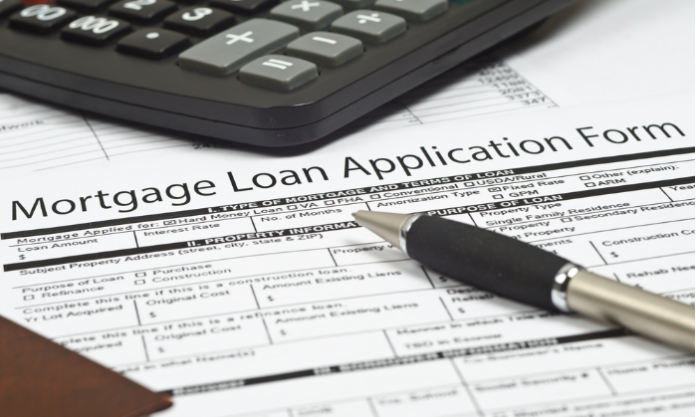

Even if a mortgage offer appears attractive initially, it can still cost you a lot of money in the long run. The rate seems reasonable. The monthly payment feels okay. And that shiny presentation makes it tempting to just sign already. But the key to a good or bad deal is often in the ignored fine print.
The Rate Is Only Part of the Story
The interest rate grabs all the attention. But a low rate can quietly sit on top of a whole heap of fees that make the loan expensive anyway. Two offers might show the exact same rate and still end up thousands of dollars apart by the time everything shakes out. So here is a better habit. Look at the APR instead of just the rate. The APR rolls the extra costs into one number, which gives you something a lot closer to the truth.
Closing Costs Sneak Up on People
Closing costs cover everything you pay to finalize the loan. Loan fees. Appraisal charges. Title work. A dozen little line items you have never heard of. Together they can run into the thousands, and plenty of buyers get blindsided at the last minute. Watch for the classic trick. A lender offers a low rate but raises closing costs to compensate. Some lenders might have lower initial fees but raise the rate a bit. Get the full breakdown and examine it line by line.
What About Points?
Points confuse a lot of folks, so let’s keep it simple. A point is a fee you pay up front to lower your rate. One point usually costs one percent of your loan amount. Whether it pays off depends almost entirely on how long you stay put. Planning to live there for decades? Buying points might save you a bundle. Thinking you will move in three or four years? You could sell the place before you ever earn that money back. Do the math for your situation, not the average buyer’s.
Look at the Whole Picture, Not Just the Monthly Bill
Paying less monthly feels like a win. But stretch the loan across more years and you often hand over way more interest in the long run. Cheaper every month, way pricier overall. Add up what you will actually pay across the entire life of the loan. Compare a fifteen year term against a thirty year one and the difference can be jaw-dropping. Also, read the boring paperwork. Some loans feature rates that rise after a few years or impose penalties for early repayment. Inquire whether the rate is fixed or variable. A lender worth your business answers without dancing around it.
Get More Than One Offer
Never take the first offer that shows up. Collect a few quotes and set them next to each other. Even a tiny rate gap turns into serious cash over thirty years. As you weigh the best mortgage lenders in New Mexico, put a member owned option like US Eagle FCU on your shortlist. Credit unions usually provide lower fees and friendlier, more personalised service. Especially when compared to large national corporations. Taking a simple approach can help you save money and lower stress.
And pay attention to how they treat you. A lender who rushes you or ducks your questions is waving a red flag. One who explains things patiently deserves your trust. You are handing these people one of the biggest purchases of your life.
Conclusion
A good deal goes beyond a low rate. Evaluate the APR, fees and points. Evaluate the overall cost. Choose the lender who respects you as an individual. Do the homework. Sign with confidence.