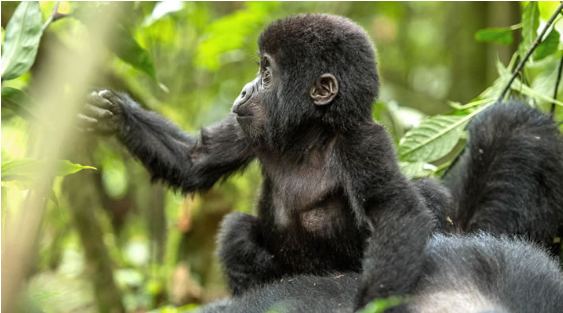

For many travelers, one hour with a mountain gorilla family is already the highlight of a lifetime. Double gorilla trekking lets you repeat that experience, usually on consecutive days, so you can compare different families, see different personalities and spend twice as long in the company of these endangered apes. It has become an increasingly popular choice for wildlife lovers, photographers and anyone who suspects one hour will not be enough. This guide explains what double gorilla trekking involves, where it works best, how to plan it, what it costs in broad terms and how to prepare.
What Is Double Gorilla Trekking?
Double gorilla trekking means booking two gorilla trekking permits and visiting two gorilla families, normally on two separate days. Each trek follows the standard format: a morning briefing, a guided hike through the forest and one hour with a habituated family. Because every family has its own size, structure and temperament, the second trek is rarely a repeat of the first.
Travelers choose a double trek for several reasons:
- More time with the gorillas. Two hours instead of one gives you a deeper look at feeding, grooming, play and family dynamics.
- Better photography. If the first encounter is dark, rainy or hurried, the second gives you another chance.
- Variety. One family may have a dominant silverback and several infants, while another may have multiple silverbacks or a different temperament.
- Reduced risk. If the first trek is short or the weather is poor, you still have a second encounter to look forward to.
Where to Do Double Gorilla Trekking
Mountain gorillas live in only a few protected areas, and double treks are possible in the main trekking destinations.
Uganda: Bwindi Impenetrable National Park
Bwindi offers the greatest choice. Its trekking sectors, including Buhoma, Ruhija, Rushaga and Nkuringo, each have several habituated families. Rushaga in particular has many groups, which makes it a popular base for double treks. You can do both treks from one lodge in a single sector, or move between sectors for a change of scenery, though that adds driving time.
Uganda: Mgahinga Gorilla National Park
Mgahinga has fewer families, so double trekking is less common here. It can still be paired with a trek in nearby Bwindi sectors.
Rwanda: Volcanoes National Park
Volcanoes National Park is a short drive from Kigali and has multiple habituated families, so two consecutive treks are straightforward. The higher permit cost makes a double trek a bigger investment, but the convenience and scenery are strong reasons to consider it.
Democratic Republic of Congo: Virunga National Park
Virunga also offers trekking, but security conditions can change. Always check current government travel advice and use experienced, licensed operators before planning anything here.
Double Trekking in Uganda vs Rwanda
The two countries suit different travelers.
- Uganda typically offers lower permit prices and more families to choose from, which makes double trekking more affordable. Treks in Bwindi tend to be in dense, steep jungle, and the country pairs gorillas with chimpanzees, savanna wildlife and the Nile.
- Rwanda offers easy access from Kigali, polished logistics and volcano scenery. The higher permit cost raises the total price, but the short transfers suit travelers with limited time.
If budget and variety are priorities, Uganda is often the stronger choice. If convenience and a compact itinerary matter most, Rwanda is hard to beat.
How Double Gorilla Trekking Works
- Day one briefing. You arrive at the park headquarters, receive safety and etiquette guidelines and are assigned to a gorilla family.
- First trek. Trackers who have located the group guide you through the forest. The hike may take from about 30 minutes to several hours, followed by one hour with the gorillas.
- Rest and recovery. You return to your lodge, rest, eat and prepare for the next day.
- Day two briefing. You attend another briefing and may be assigned to a different family.
- Second trek. You repeat the process with a new family, often with a different hike length and terrain.
Because families differ in how far they travel, one trek may be short and the other long. Rangers consider fitness and preferences when assigning families, so share your needs honestly.
Is Double Gorilla Trekking Worth It?
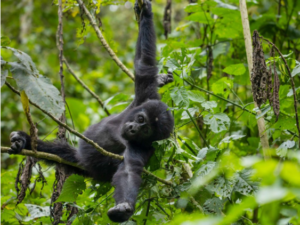
For most enthusiasts, yes. A single hour passes quickly, and many visitors say they spend much of it adjusting to the experience. A second trek lets you settle in, observe more and capture better photographs. It also adds resilience to your plan: if one day brings heavy rain or a distant family, the other may be easier.
It does have trade-offs. Permit costs double, you need enough fitness for two days of hiking, and you must plan sufficient time in the destination. If budget is tight, one permit combined with chimpanzee tracking, golden monkey tracking or a game drive may offer broader variety.
Fitness and Preparation
Two consecutive treks require sensible preparation.
- Build stamina with regular hikes, hill walking and stair climbing for several weeks beforehand.
- Break in waterproof hiking boots to avoid blisters.
- Hire a porter for both days. They carry your pack, help on slippery slopes and support local families.
- Rest, hydrate and eat well between treks.
- Tell your guide if you are tired. Rangers can adjust pace and may recommend easier families.
What to Pack
- Waterproof hiking boots with good grip
- Long-sleeved shirts and long trousers in neutral colors
- A lightweight waterproof jacket or poncho
- Gardening gloves for gripping vegetation
- Gaiters or long socks
- Insect repellent, sunscreen and a hat
- A camera with a fast lens, no flash, plus spare batteries and a waterproof bag
- A refillable water bottle and snacks
- A change of dry clothes and spare socks for the second day
Muddy gear may not dry overnight in the humid forest, so bring backup clothing.
Rules and Etiquette
The standard rules apply on both days.
- Keep a distance of about seven meters from the gorillas.
- Speak softly and move slowly.
- Never use flash photography.
- Do not eat, drink or smoke near the animals.
- Do not trek if you are unwell, because gorillas can catch human illnesses.
- Follow your guide’s instructions at all times.
Permits, Costs and Booking
Double gorilla trekking requires two separate permits, each valid for a specific date and family or sector. Gorilla permits are limited in number each day and can sell out well in advance, particularly in peak months. Prices vary between countries and may change, so confirm current fees with the national parks authority or your operator before budgeting. Remember to include accommodation, transfers, meals, tips and porter fees.
Book six to twelve months ahead for peak seasons, and consider booking both permits together so your dates and sector line up. A reputable operator can handle this for you and help choose families that match your fitness level.
Best Time for Double Gorilla Trekking
- Dry seasons (roughly June to September and December to February): Trails are firmer and less slippery, which helps when trekking two days in a row. These months are also busiest, so book early.
- Wet seasons (roughly March to May and October to November): Fewer visitors and lush scenery, though trails are muddier and more tiring. Good rain gear is essential.
Conservation Impact
Every permit fee supports ranger patrols, veterinary care, habitat protection and community projects. Buying two permits doubles your direct contribution, and responsible choices, such as hiring local porters, staying at community-minded lodges and avoiding single-use plastics, extend the benefit. Mountain gorillas remain endangered, and well-managed tourism is a major reason their numbers have slowly recovered.
Key Takeaways
- Double gorilla trekking means visiting two gorilla families, usually on consecutive days, using two permits.
- It offers more time with the gorillas, more variety and a second chance for photographs.
- Bwindi in Uganda offers the most flexibility, while Rwanda provides easy access and compact itineraries.
- Permit costs double, so confirm current prices and book early.
- Moderate fitness, waterproof boots and spare dry clothing make two days of trekking more comfortable.
- Strict rules on distance, noise, flash and health protect the gorillas.
- Both permits help fund conservation and benefit local communities.
Conclusion
Double gorilla trekking turns a single unforgettable hour into two, giving you a richer and more relaxed encounter with one of the planet’s most remarkable animals. You see different families, gain a deeper understanding of gorilla behavior and improve your chances of memorable photographs. It requires extra budget, planning and stamina, but for travelers who want to make the most of this rare opportunity, it is a rewarding choice. Prepare well, book early, follow the rules and let the forest do the rest.
Frequently Asked Questions
- What is double gorilla trekking?
It is a trip that includes two gorilla treks, usually on consecutive days, with two permits and two different gorilla families. - Do I visit the same family twice?
Usually not. You are normally assigned to a different family each day, which gives you variety in group size, behavior and terrain. - Is double gorilla trekking worth the extra cost?
For passionate wildlife and photography enthusiasts, it often is. You gain more time with the gorillas and a backup if the first trek is short or the weather is poor. - Where is the best place to do it?
Bwindi in Uganda is popular because it has many families and several sectors. Rwanda’s Volcanoes National Park is also a strong option for convenience and scenery. - How fit do I need to be?
Moderate fitness is enough for most travelers, but two consecutive days of hiking at altitude require preparation. Hiring a porter and asking for an easier family can help. - How far in advance should I book permits?
Six to twelve months ahead for peak seasons. Permits are limited and can sell out quickly. - Can I do both treks on the same day?
No. Treks are scheduled one per day, and you need rest between them. - What is the minimum age?
The minimum age is generally 15 years. Rangers may check ages at the briefing. - What if I feel unwell before the second trek?
Tell your guide. Rangers may refuse entry to anyone who appears sick to protect the gorillas, and refund policies vary, so check your booking terms. - How can I make my double trek more sustainable?
Hire local porters, choose responsible lodges, avoid single-use plastics, follow all park rules and buy crafts from local artisans.